

How Often to Feed a Ball Python: Complete Feeding Schedule by Age
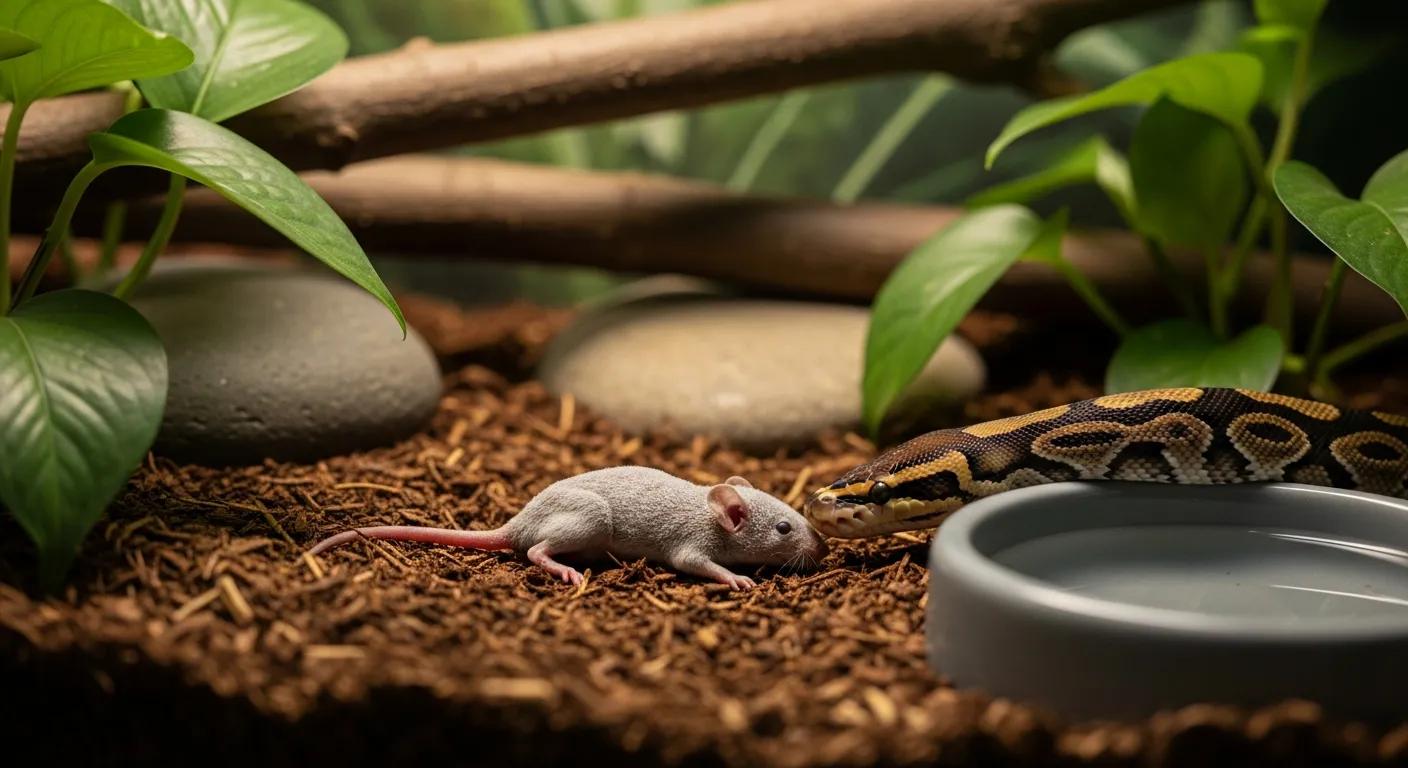
Feeding a ball python is a crucial aspect of responsible reptile care, as it directly impacts their health and growth. Understanding the optimal feeding frequency for ball pythons at different life stages is essential for ensuring they receive the right nutrition. This comprehensive guide will explore the feeding schedules for hatchlings, juveniles, and adults, providing insights into their specific dietary needs. Many snake owners struggle with determining how often to feed their ball pythons, which can lead to health issues if not addressed properly. By following the guidelines outlined in this article, you can ensure your ball python thrives at every stage of its life. We will cover age-specific feeding schedules, nutritional benefits of using specialized feeding products, practical feeding tips, and how to implement structured feeding schedules effectively.
Understanding the specific dietary needs and recommendations for captive ball pythons is crucial for their well-being, as highlighted by research into their husbandry.
Ball Python Dietary Recommendations & Divergence
Recommendations for captive ball python (Python regius) and intersexual dietary divergence in royal pythons (Python regius).
A Survey of Husbandry and Breeding Techniques in the Ball Python (Python regius) Pet Trade, 2021
What Is the Optimal Feeding Frequency for Ball Pythons at Different Life Stages?
The feeding frequency for ball pythons varies significantly depending on their age and size. Hatchlings require more frequent feedings to support their rapid growth, while adults can be fed less often. Understanding these differences is vital for maintaining optimal health and nutrition throughout their lives.
How Often Should Hatchling Ball Pythons Be Fed for Healthy Growth?
Hatchling ball pythons should be fed every 5 to 7 days. This frequent feeding schedule is essential for their growth and development, as they require a higher caloric intake relative to their size. During this stage, it is crucial to provide appropriately sized prey, typically fuzzy mice or similar-sized rodents, to ensure they receive adequate nutrition.
What Is the Recommended Feeding Schedule for Juvenile Ball Pythons?
Juvenile ball pythons, typically aged 6 months to 1 year, should be fed every 7 to 14 days. As they grow, their feeding frequency can be adjusted based on their size and activity level. It is important to monitor their growth and adjust portion sizes accordingly, ensuring they receive enough nutrition without overfeeding.
How Does Adult Ball Python Feeding Frequency and Meal Size Affect Long-Term Health?
Adult ball pythons require a different feeding approach compared to their younger counterparts. Understanding the appropriate feeding frequency and meal size is crucial for their long-term health and well-being.
What Is the Appropriate Meal Size for Adult Ball Pythons Based on Weight?
For adult ball pythons, the meal size should be approximately 10-20% of their body weight. This ensures they receive adequate nutrition without the risk of obesity. Regularly weighing your snake can help determine the right portion sizes, allowing for adjustments as needed.
How Often Should Adult Ball Pythons Be Fed to Maintain Optimal Nutrition?
Adult ball pythons should be fed every 10 to 14 days. This less frequent feeding schedule aligns with their slower metabolism and lower caloric needs compared to hatchlings and juveniles. Maintaining this schedule helps prevent health issues related to overfeeding, such as obesity and related complications.
Maintaining an appropriate feeding schedule is crucial for adult ball pythons, as an improper regimen combined with inactivity can lead to significant health concerns like obesity.
Ball Python Feeding Regimen & Obesity Prevention
feeding and maintenance regimen, some ball pythons reach and lack of activity can cause ball pythons to become obese.
The ball python manual, 2012
What Are the Nutritional Benefits of Using Good Reptiles Feeding Products Over Traditional Frozen Rodents?
Good Reptiles offers convenient, nutritionally complete, and mess-free feeding alternatives for snake owners, specifically targeting ball python feeding needs. These products provide several advantages over traditional frozen rodents, making them an excellent choice for responsible pet owners.
Ensuring proper nutrition for captive reptiles can be complex, as their overall health and welfare are deeply intertwined with their diet and how it's presented.
Captive Reptile Nutritional Husbandry & Health
Appropriate nutritional husbandry for captive reptiles is inherently challenging. The health and welfare of all reptiles, like any other animals, is linked to the role of nutrition, which should be regarded as a continuum, beginning with selection or gathering of food sources and ending with elimination of waste products. Quality of diet and appropriate mode of presentation are essential to health, and natural foods are preferable.
Nutritional considerations, 2023
How Do Good Reptiles Products Provide a Balanced, Mess-Free Diet for Ball Pythons?
Good Reptiles products are formulated by veterinary nutritionists to be nutritionally complete, ensuring that ball pythons receive all essential nutrients in a convenient format. These products are shelf-stable and do not require freezer storage, making them a hassle-free option for snake owners. Additionally, they are designed to support ideal snake health and help prevent obesity, providing a balanced diet without the mess associated with traditional feeding methods.
What Scientific Formulations and Expert Endorsements Support Good Reptiles Feeding Alternatives?
Good Reptiles products are fortified with essential minerals and vitamins, ensuring consistent nutrition for your ball python. Research studies show that these formulations are designed to meet the specific dietary needs of reptiles, providing a reliable alternative to traditional feeding methods. Expert endorsements from veterinary nutritionists further validate the effectiveness of these products in promoting the health and well-being of ball pythons.
What Are Practical Feeding Tips and Troubleshooting Strategies for Ball Python Owners?
Feeding ball pythons can sometimes present challenges, but understanding their behavior and health indicators can help owners make informed decisions about their feeding schedules.
How to Adjust Feeding Frequency Based on Ball Python Behavior and Health Indicators?
Observing your ball python's behavior is crucial for determining their feeding needs. Signs of hunger, such as increased activity or searching behavior, indicate that it may be time to feed. Conversely, if your snake appears lethargic or disinterested in food, it may be a sign to adjust the feeding frequency or consult a veterinarian.
What Are Common Feeding Challenges and How Can They Be Resolved Effectively?
Common feeding challenges include refusal to eat, which can be caused by stress, environmental changes, or health issues. To resolve these challenges, ensure that your ball python's habitat is comfortable and stress-free. Additionally, offering a variety of prey items can stimulate their appetite and encourage feeding.
How to Implement Age-Specific Feeding Schedules Using Good Reptiles Products for Convenience and Health?
Implementing age-specific feeding schedules is essential for the health and convenience of ball python owners. By using Good Reptiles products, you can streamline the feeding process while ensuring your snake receives optimal nutrition.
What Is the Step-by-Step Guide to Transitioning Ball Pythons to Nutritionally Complete Feeding Alternatives?
Transitioning your ball python to Good Reptiles products involves gradually introducing the new food while monitoring their acceptance. Start by mixing a small amount of the new product with their regular food, gradually increasing the proportion over several feedings. This approach helps your snake adjust to the new diet without stress.
How Does Using Structured Feeding Schedules Improve Ball Python Welfare and Owner Convenience?
Structured feeding schedules not only enhance the welfare of ball pythons by providing consistent nutrition but also simplify the feeding process for owners. By adhering to a regular schedule, owners can better monitor their snake's health and adjust feeding practices as needed, ensuring a happy and healthy pet.