
Ball Python Care Guide: Complete Setup, Feeding Alternatives & Health Tips for Optimal Care
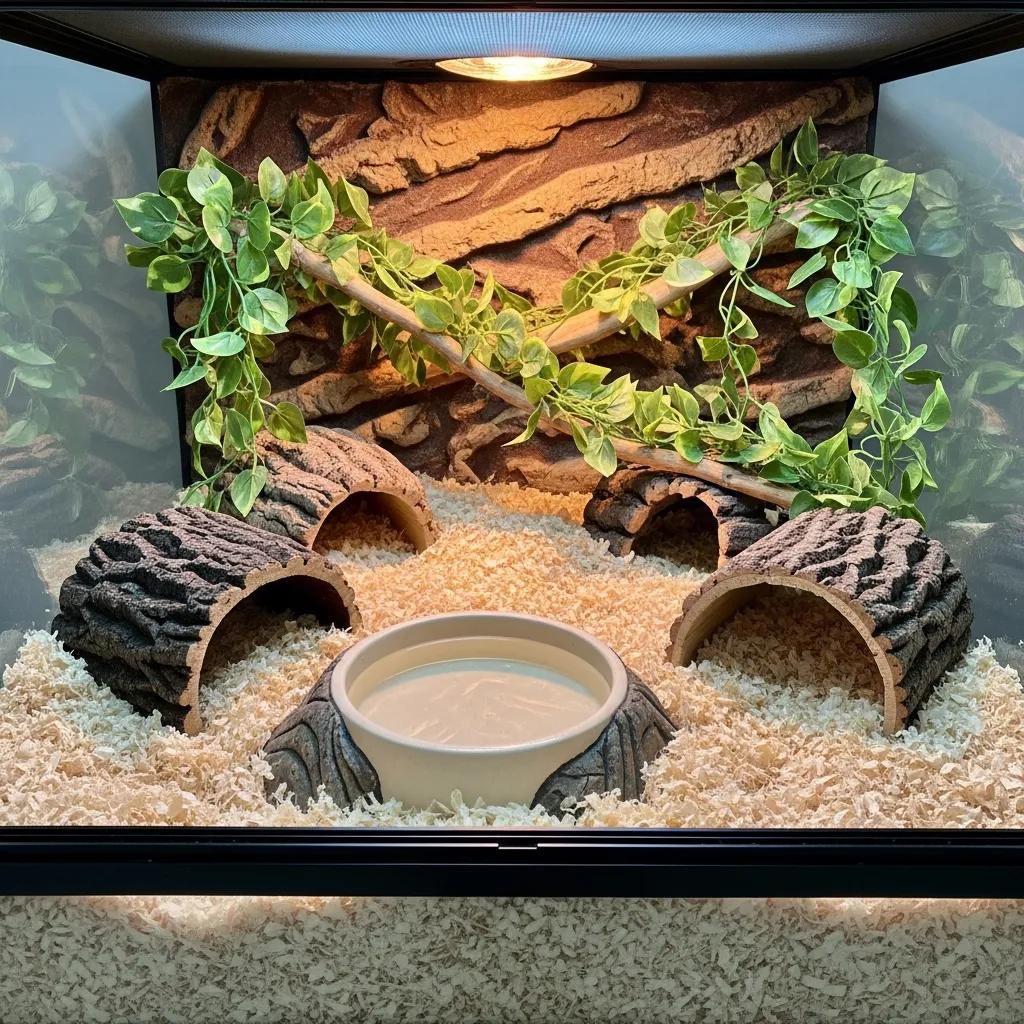
Caring for a ball python involves understanding their unique needs and creating an environment that promotes their health and well-being. This comprehensive guide will provide you with essential information on setting up the ideal habitat, feeding alternatives, and health tips to ensure your ball python thrives. Many new snake owners struggle with the intricacies of ball python care, leading to potential health issues. By following this guide, you will learn how to create a suitable habitat, establish a proper feeding schedule, and monitor your snake's health effectively. We will explore the key components of a ball python's habitat, the best feeding practices, common health problems, and essential tips for understanding their behavior.
How to Set Up the Ideal Ball Python Habitat: Essentials and Environment
Creating the perfect habitat for your ball python is crucial for its health and happiness. A well-designed enclosure mimics their natural environment, providing security and comfort. The essential components of a ball python habitat include the enclosure type, substrate, and hiding spots, all of which contribute to a stress-free environment.
What are the key enclosure essentials for ball python care?
The enclosure for a ball python should be spacious enough to allow for movement and exploration. A glass terrarium or a plastic tub can serve as an effective home. The size of the enclosure should be at least 30 gallons for an adult ball python. Additionally, the substrate plays a vital role in maintaining humidity levels and providing comfort. Options like aspen shavings, coconut fiber, or paper towels are popular choices. Hiding spots, such as caves or logs, are essential for your snake to feel secure and reduce stress.
Ensuring an animal-appropriate and stress-free environment is paramount for a ball python's well-being, as highlighted by research comparing different housing systems.
Ball Python Housing & Welfare: Terrarium vs. Rack Systems
Considering animal welfare, animals should be kept in animal-appropriate and stress-free housing conditions in all circumstances. To assure such conditions, not only basic needs must be met, but also possibilities must be provided that allow animals in captive care to express all species-typical behaviors. Rack housing systems for snakes have become increasingly popular and are widely used; however, from an animal welfare perspective, they are no alternative to furnished terrariums. In this study, we therefore evaluated two types of housing systems for ball pythons (Python regius) by considering the welfare aspect animal behavior.
Animal-appropriate housing of ball pythons (Python regius)—Behavior-based evaluation of two types of housing systems, 2021
How to maintain proper temperature and humidity levels in the enclosure?
Maintaining the right temperature and humidity levels is critical for your ball python's health. The enclosure should have a temperature gradient, with a warm side ranging from 88°F to 92°F and a cooler side between 78°F and 80°F. Using a heat mat or ceramic heat emitter can help achieve these temperatures. Humidity levels should be kept between 50% and 60%, which can be monitored using a hygrometer. Regular misting and the use of a water bowl can help maintain appropriate humidity levels.
What Are the Best Feeding Alternatives and Schedules for Ball Pythons?
Feeding your ball python a nutritionally complete diet is essential for its growth and health. Understanding the best feeding alternatives and schedules will help you provide the right nutrition for your snake.
Which mess-free feeding products provide a nutritionally complete diet?
For ball pythons, frozen-thawed rodents are the most common feeding option. These can include mice or rats, depending on the size of your snake. There are various reptile feeding products that make the process easier and cleaner. These products ensure that your ball python receives a balanced diet without the mess associated with live feeding.
While frozen-thawed rodents are a staple, diversifying a ball python's diet with other safe and ethically sourced prey can offer additional nutrients and enrichment.
Diversifying Ball Python Diets: Safe & Ethical Feeding Alternatives
Most keepers exclusively feed their snakes rodents, including rats and mice. While rodents provide an excellent basis for most of the commonly-kept snake species, keepers can provide additional sources of prey to diversify the diet. This can help provide other nutrients as well as enrichment for the snake. We try to provide a diverse diet for our own ambassador snakes based on the species’ natural history and diet. However, safety is our number one priority; many live foods can carry potentially dangerous parasites, so we stick to frozen/thawed food sources. We also always make sure to source snake food from ethical sources–this means captive-bred, humanely euthanized prey.
Diversifying Snake Diets
How often should you feed your ball python for optimal health?
Feeding frequency depends on the age and size of your ball python. Hatchlings should be fed every 5-7 days, while adults can be fed every 7-14 days. It's important to monitor your snake's body condition and adjust the feeding schedule accordingly. Signs of hunger include increased activity and searching behavior, while overfeeding can lead to obesity and health issues.
How to Monitor and Address Common Ball Python Health Problems?
Being aware of common health issues in ball pythons is essential for early detection and treatment. Regular monitoring can help you identify potential problems before they become serious.
What are the signs of health issues in ball pythons?

Common signs of health issues in ball pythons include lethargy, lack of appetite, abnormal shedding, and respiratory distress. Behavioral changes, such as hiding more than usual or refusing to eat, can also indicate health problems. If you notice any of these signs, it's crucial to consult a veterinarian experienced in reptile care.
Among the various health concerns, respiratory infections are particularly important to monitor, as they can be a significant cause of illness and mortality in ball pythons.
Ball Python Respiratory Disease: Understanding Nidovirus Infections
Respiratory infections are important causes of morbidity and mortality in reptiles; however, the causative agents are only infrequently identified. Pneumonia, tracheitis and esophagitis were reported in a collection of ball pythons (Python regius). High-throughput sequencing of total extracted nucleic acids from lung, esophagus and spleen revealed a novel nidovirus. This report of a novel nidovirus in ball pythons may provide insight into the pathogenesis of respiratory disease in this species and enhances our knowledge of the diversity of nidoviruses.
Identification of a novel nidovirus in an outbreak of fatal respiratory disease in ball pythons (Python regius), L Uccellini, 2014
How to troubleshoot and prevent common ball python health problems?
Preventive care is key to maintaining your ball python's health. Ensure that the enclosure is clean and properly maintained, with regular substrate changes and disinfection. Providing a balanced diet and monitoring temperature and humidity levels will also help prevent health issues. If your snake shows signs of illness, seek veterinary advice promptly to address any concerns.
What Are the Essential Tips for Ball Python Behavior and Care?
Understanding ball python behavior is vital for providing the best care. By recognizing their needs and preferences, you can create a more enriching environment.
How to understand ball python behavior for better care?
Ball pythons are generally docile and can be quite social. They may exhibit behaviors such as hiding, exploring, or basking. Understanding these behaviors can help you create a more suitable habitat. For instance, providing multiple hiding spots can reduce stress and encourage natural behaviors.
What are the best practices for handling and hygiene?
When handling your ball python, always support its body and avoid sudden movements. Wash your hands before and after handling to prevent the spread of bacteria. Regularly clean the enclosure and provide fresh water to maintain hygiene. Following these practices will ensure a healthy and happy ball python.